AI-Driven Governance for Haryana's Clean Air Future.
A ₹3,646 crore World Bank-supported initiative to combat air pollution through AI-enabled governance, industrial transition, and sustainable mobility.
Sovereign Air Monitoring
A regional challenge.
A sovereign response.
Air pollution knows no borders. The Haryana Clean Air Program is a strategic intervention designed to lower ambient particulate matter levels across the National Capital Region (NCR). We are transitioning 2,000 MSMEs to PNG and deploying the largest electric transit fleet in North India.
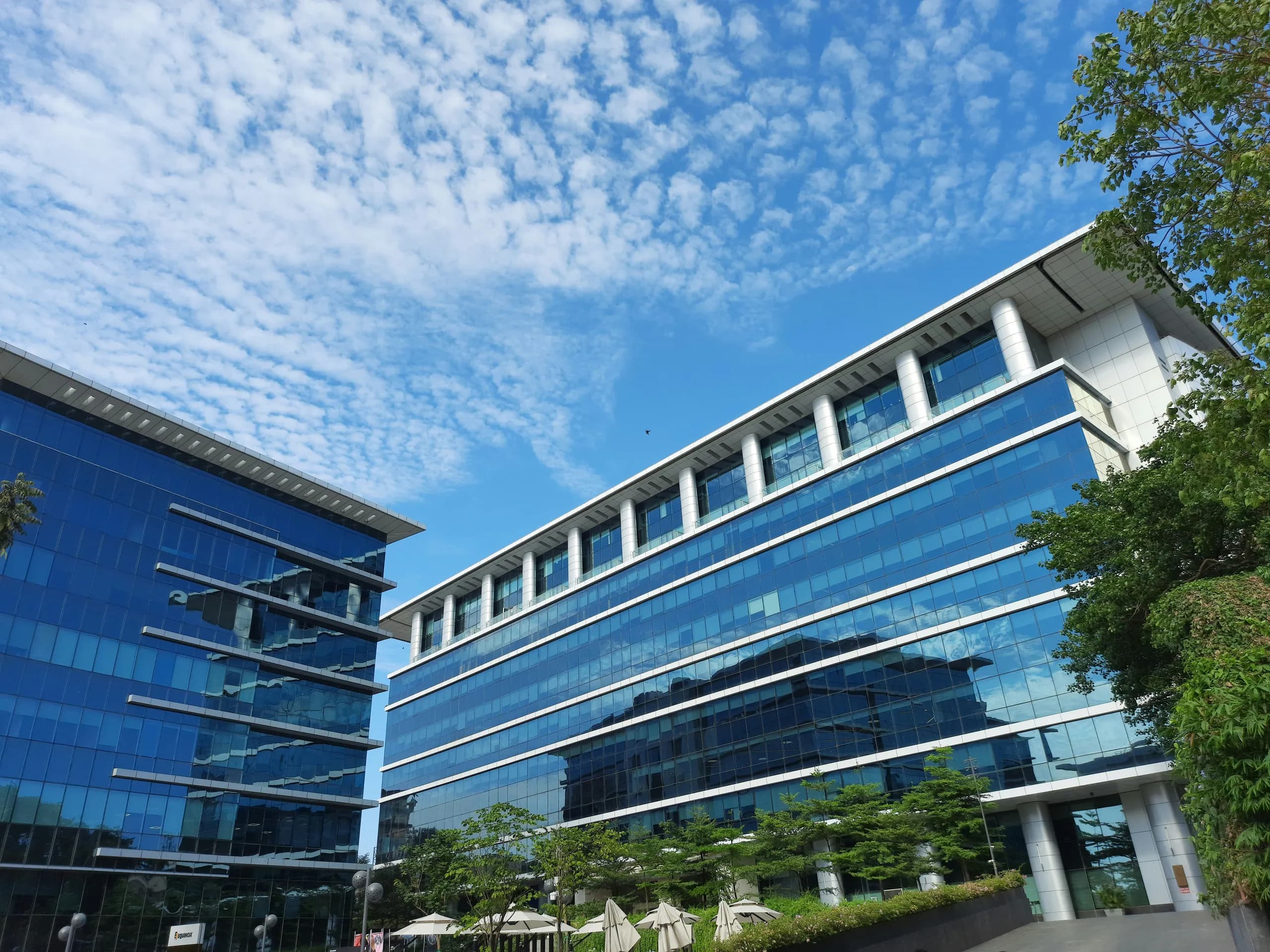
Transitioning Haryana to a low-emission industrial powerhouse by 2030.
A Multi-Sectoral Intervention.
The ARJUN initiative orchestrates a complex ecosystem of six core pillars, ensuring every sector of the Haryana economy contributes to our collective air quality targets.
Convert Panipat Cluster to PNG network for FY26.
Analyzing nodes. 242 MSMEs queued for transition. Estimated emission drop: 38%.
Industrial Transition.
Converting 2,000+ MSMEs to Piped Natural Gas (PNG) and installing CEMS monitoring nodes across the industrial corridor.
Electric Mobility.
Deploying 500 electric buses and 200 high-speed charging stations to decarbonize transit.
SPIKE DETECTED: SONIPAT
Air Quality Nodes.
23 new CAAQMS stations providing real-time data for the ARJUN framework.
Incentive issued to 1,204 farmers in Karnal.
Smart Agriculture.
Reducing stubble burning by incentivizing management and providing modern machinery access across Haryana.
Sovereign Bonds.
Mobilizing ₹3,646 crore via green financing frameworks to sustain long-term clean air infrastructure.
Urban Greening.
Expanding green covers and forest belts in urban districts to create carbon sinks.
Questions? We have answers.
The program is a ₹3,646 crore strategic initiative supported by the World Bank to combat air pollution across Haryana. It focuses on shifting industries to clean fuels, expanding the electric vehicle fleet, and building a high-fidelity monitoring network.
Need more technical documentation? Contact the SPV Council